Finishing Chapter 13 early depends on your unsecured debt. Your plan is allowed to run shorter than its three or five years only if your allowed unsecured claims are paid in full over that shorter period. Extra payments by themselves do not shorten a confirmed repayment plan.
Yes, but only by paying your allowed unsecured claims in full over the shorter period, and extra payments alone do not end Chapter 13 early without a formal change to the plan.
You want the payments behind you. A raise, a tax refund or help from family makes an early finish feel close. Before you send a dollar more, you need to know what finishing early takes, where the money is allowed to come from and who has to sign off. Here is the whole picture of paying off bankruptcy early in Las Vegas, Nevada.
Can you pay off your Chapter 13 repayment plan early?
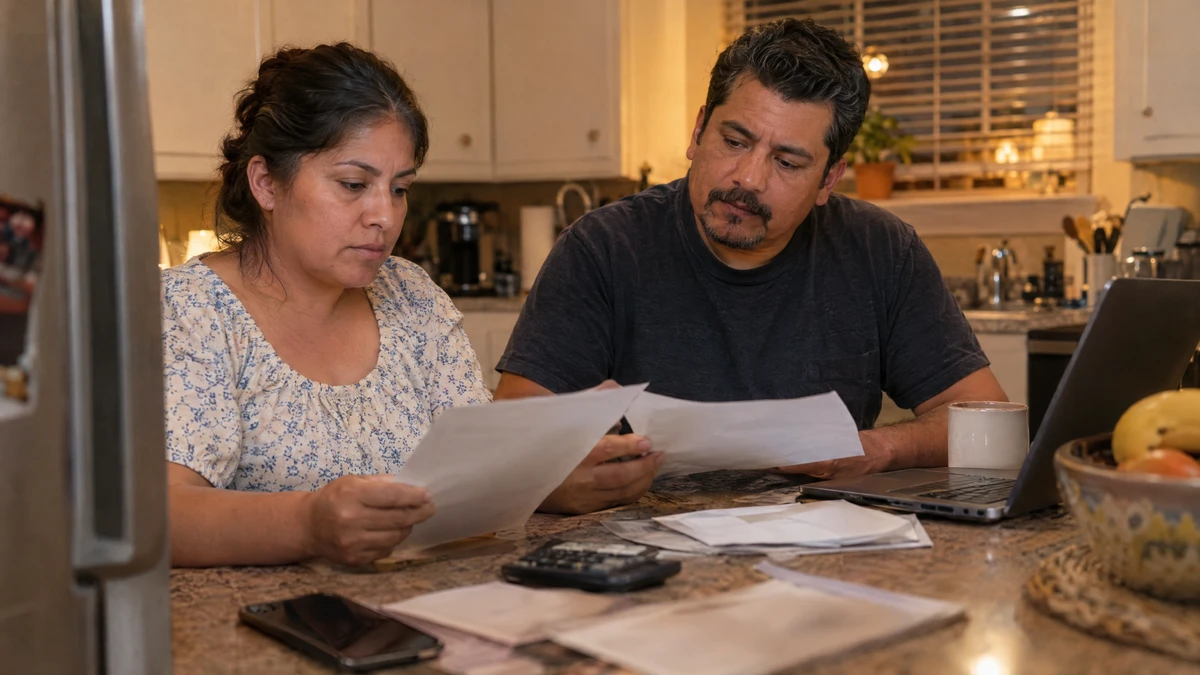
The rule is short. Your applicable commitment period is three or five years, depending on how your current monthly income compares with the state median, as the United States Courts explains. Below the median, your plan runs three years unless the bankruptcy court approves a longer period for cause. Above it, your plan generally runs five years.
A shorter plan is allowed only if your allowed unsecured claims are paid in full over that shorter period, under the Bankruptcy Code commitment period rule. That is the key. Paying off the rest of your plan balance and paying every unsecured creditor in full are two different numbers. Ask your attorney for both before you decide.
Your reason matters too. Less pressure on each paycheck, a fresh start before a big life change, a windfall you want to put to work. Each one points to a different plan, so name yours first.
Can you make extra payments on your Chapter 13 repayment plan?

Extra money does not rewrite your plan. A confirmed plan binds you as the debtor and binds each creditor, and the trustee distributes what you pay under that plan, as the United States Courts describes. Changing the amount of your payments, or the time over which you make them, is a plan modification after confirmation. Sending more than your plan calls for is not the same as changing your plan.
So talk to your bankruptcy attorney before you send more. Ask what the extra payments would do inside your plan, and whether your goal needs a formal change instead. For the full timeline of a plan, see how long Chapter 13 takes in Nevada.
Where does the money for an early payoff come from?

The source of your money matters as much as the amount. The Nevada bankruptcy court’s Chapter 13 attorney fee guidelines tell attorneys to advise you not to borrow money, incur debt or refinance any loans without prior court approval, and not to sell or transfer property without court approval. New debt also needs the trustee. Additional debt puts your ability to finish the plan at risk, as the federal courts warn.
In Chapter 13, earnings from work you do after you file your bankruptcy petition belong to the bankruptcy estate while your case stays open, under the estate property rule. That is why a raise or a bonus belongs in your payoff math. Read about a raise during your plan and bonus income during Chapter 13 before you treat new earnings as payoff money. Then check the money itself against these questions.
- Is the money already in your hands, or does it depend on something that has not happened yet?
- Does any part of it come from a loan, a refinance or a sale that needs court approval first?
- What is left for your household after the payment clears?
- Does your plan already claim your tax refund?
That last question trips people up. If your plan provides for it, your tax refunds go to the trustee each year, the Nevada guidelines note, so a refund is sometimes already spoken for. Debt consolidation loans are a different route the firm does not handle. Your payoff plan works inside the case you already have.
How does a Chapter 13 plan get changed after confirmation?

Your plan is open to change before or after confirmation, as the United States Courts notes. After confirmation, you are not the only one who gets to ask. Your trustee or an unsecured creditor is allowed to request a modification too.
In Nevada, the party asking for a modification must serve the modified plan, or a plan summary, on the trustee, all creditors and other parties in interest who do not receive copies electronically, according to the court’s Chapter 13 plan rule. A change to your plan is a formal step. Everyone it touches gets to see it before it takes effect.
In our experience, Rory Vohwinkel finds that early payoff questions go best when the money and the plan are reviewed together, before any check goes out. A payment amount on its own leaves out the part that decides whether you finish sooner. Your plan, your income and the source of the money all belong on the same page.
What happens after your last Chapter 13 payment?

Your discharge generally comes as soon as practicable after you complete all payments under the plan, under the Chapter 13 discharge rule. A Chapter 13 debtor generally receives a discharge only after completing all plan payments, as the United States Courts’ discharge page explains. Every payment you make moves you toward that discharge, including the early ones.
Your debtor education course is separate from the plan payments. The U.S. Trustee Program says that course must be taken after you file, and the Nevada guidelines list filing the certificate of debtor education as part of the case. Check that both are done before your last payment clears.
If something beyond your control stops you from finishing, through no fault of your own, the court is able to consider a hardship discharge, as the federal courts describe. It comes with conditions, and it is no promise. If your payment has become hard to carry, read about your options when the plan payment is too high.
How does Vohwinkel Law help you plan an early Chapter 13 payoff in Las Vegas?

You deserve a straight answer before you move real money. When we read the Chapter 13 page published by the United States Courts and the commitment period rule in the Bankruptcy Code on the day of writing, both tied a shorter plan to paying unsecured debt in full, and every outside source linked here is one we opened and read. Vohwinkel Law reviews your plan, your income and the money you want to use, then tells you plainly what an early finish takes.
In our experience, Rory Vohwinkel believes the right payoff plan still leaves your household standing after the check clears. Pressure to finish fast should never empty the account you need for rent and repairs. Finishing early is a goal worth planning, not a race.
Start with our Las Vegas Chapter 13 attorney page, then call for a free consultation. Payment plans are available, and Chapter 13 attorney fees are payable through the plan. Have your plan and your income numbers handy, and we walk through them with you.
What else do people ask about paying off Chapter 13 early?

Does my tax refund go toward my Chapter 13 plan?
Sometimes it already does. If your plan provides for it, your tax refunds go to the trustee each year, the court’s Chapter 13 fee guidelines note. Check your plan’s terms before you count a refund as extra payoff money.
Is refinancing my house a way to pay off Chapter 13?
Only with prior court approval. Nevada’s Chapter 13 guidelines have attorneys advise you not to borrow money, incur debt or refinance any loans without prior court approval, and new debt also needs your trustee. Plan the approval step before you talk rates with a lender.
Does paying off early get me my discharge sooner?
Your discharge generally follows completion of all payments under your plan. If a modified, shorter plan is completed, the discharge generally follows that completion as soon as practicable. Your debtor education certificate still has to be filed first.
Will higher income prompt changes after plan confirmation?
Your trustee or an unsecured creditor is allowed to request a modification after confirmation, and in Chapter 13 your post-filing earnings belong to the bankruptcy estate. A raise sometimes leads to a closer look at your payment. See how a raise affects Chapter 13 plan payments for the details.
What if I cannot finish my plan at all?
The court is able to consider a hardship discharge when circumstances beyond your control stop you, through no fault of your own, and other conditions are met. You still need the court to consider those conditions. Talk with your attorney before you miss a payment, not after.
What happens to my credit report after Chapter 13?
Paying off early does not change when the bankruptcy entry leaves your credit report, because that clock runs from your filing date. Our guide to how long bankruptcy stays on your credit report explains the timing for you.
Ready to see what an early finish takes for you? Contact Vohwinkel Law for a free consultation about your plan, your income and your payoff money in Las Vegas or Henderson. Call (702) 735-1500.
Like this article? Add Vohwinkel Law as a preferred source, and you are more likely to see our articles in Google’s Top Stories.